Getting Started
Water Aerobics: Getting Started with Group Classes
Your complete guide to finding water aerobics classes, what to expect in your first session, and why it's an excellent low-impact option for adults in your 40s, 50s, and 60s.
Why Water Aerobics Works for Active Adults
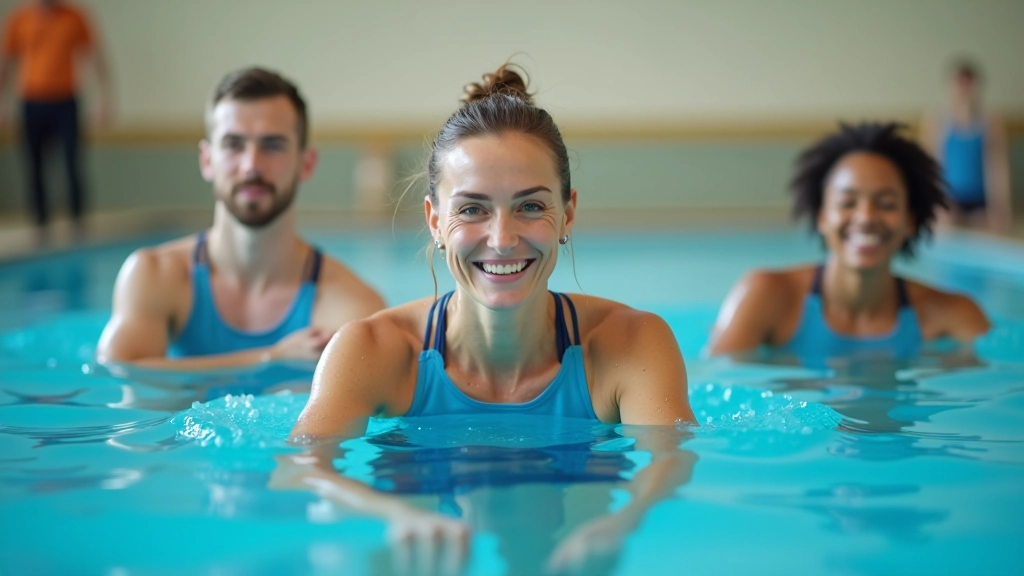
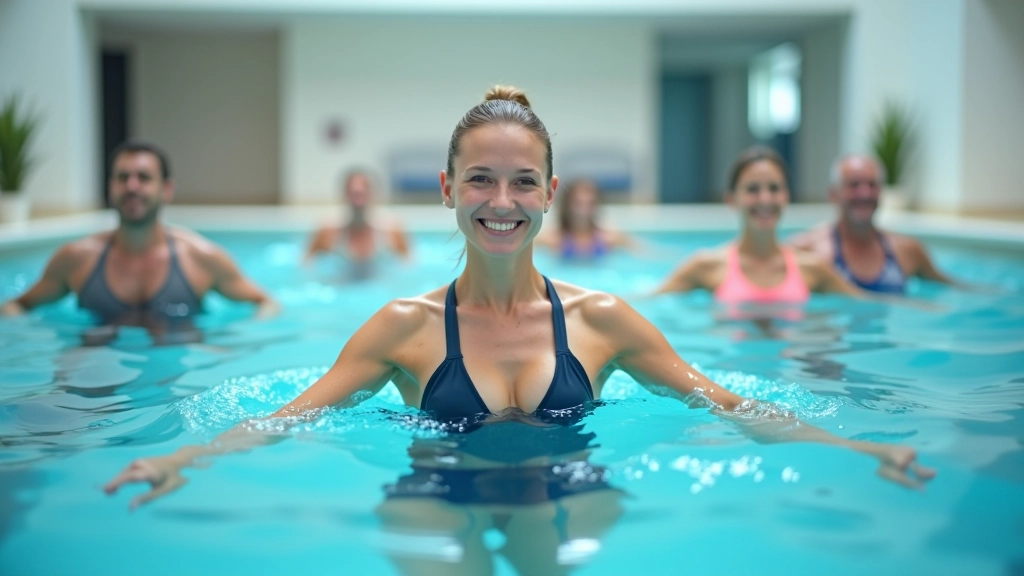
If you're thinking about getting back into fitness but aren't sure where to start, water aerobics might be exactly what you're looking for. It's not just for seniors — we're talking about adults in their 40s, 50s, and 60s who want real workouts without beating up their joints.
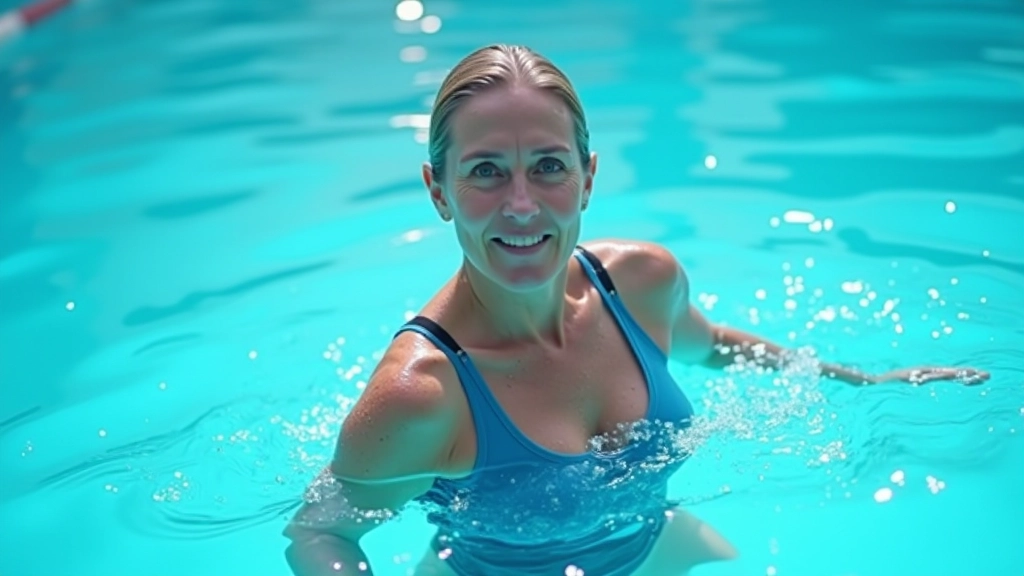
The water supports about 90% of your body weight, which means you're working hard while your knees, hips, and shoulders stay safe. You'll build strength, improve your cardiovascular fitness, and honestly, you'll have fun doing it. Most people are surprised at how effective a water aerobics session actually is.
Real Benefits Beyond the Pool
Water aerobics isn't just about getting wet and moving around. There's actual science behind why it works so well for your age group.
- Low-impact cardio: You're getting your heart rate up without the pounding on your knees and ankles that comes with running or high-impact classes.
- Resistance training: The water provides natural resistance, so you're building muscle strength with every movement. No heavy weights needed.
- Improved balance: Working in water challenges your stability in ways that land exercises don't, which helps prevent falls.
- Joint health: If you've got arthritis or past injuries, water gives you the freedom to move without pain.
- Mental clarity: It's meditative. The rhythm, the water, the focus — most people feel better mentally after a session.
What Happens in Your First Class
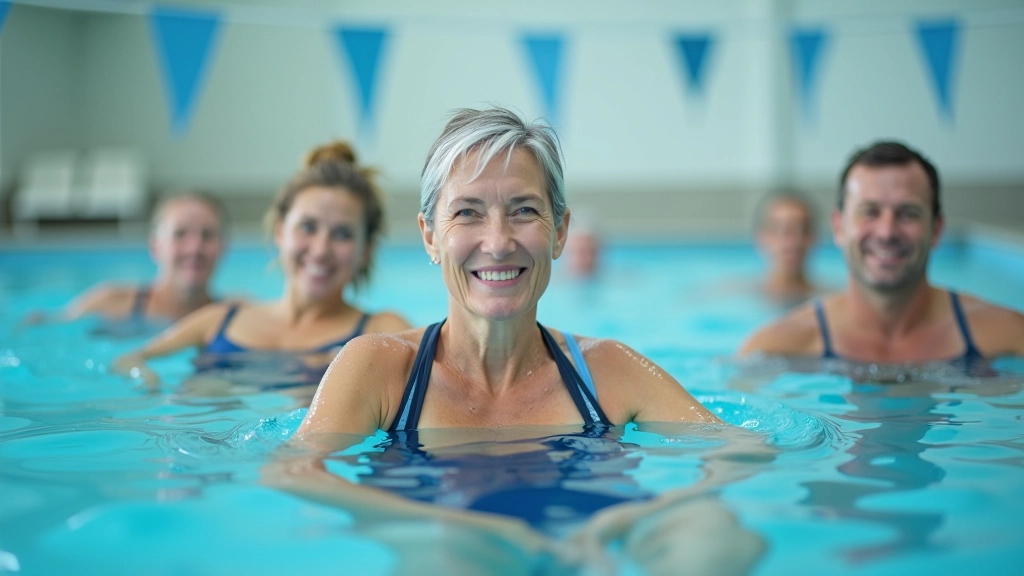
Nervous about showing up for the first time? Here's what actually happens during a typical 45-60 minute water aerobics session.
01
Warm-up (5-10 minutes)
You'll start in shallow water, walking around, getting your body acclimated to the temperature. The instructor will have you do some basic movements — arm circles, marching, gentle kicks. Nothing complicated, just getting the blood flowing.
02
Main Cardio Work (25-35 minutes)
This is where the real workout happens. You'll do combinations of movements — cross-country skiing motions, high knees, side kicks, jumping jacks (but easier in water). Most classes use music to keep the pace upbeat. The intensity is adjustable — you go as hard as you want.
03
Strength Training (10-15 minutes)
Some classes incorporate resistance tools like noodles, dumbbells, or kickboards. You're targeting specific muscle groups — arms, core, legs. The water resistance makes this feel easier than it is, but your muscles know they're working.
04
Cool-down & Stretch (5-10 minutes)
You'll slow things down, bring your heart rate back to normal. The instructor will guide you through stretches — hamstrings, hip flexors, shoulders. You're relaxed, you're still in the water, and you feel accomplished.
Finding Classes Near You
Water aerobics classes are more available than you might think. You don't need a fancy gym membership — most are offered at public pools, community centers, and YMCAs.
Start by checking your local parks and recreation department website. Most post their pool schedules with class times. YMCAs typically offer multiple sessions throughout the week — early morning, lunch time, and evening options. Some classes are specifically designed for older adults, while others are mixed-age groups. Don't skip the mixed classes though — you might surprise yourself with how many people your age are there.
When you call to ask about classes, ask about instructor certifications. You want someone who's trained in aquatic fitness and understands modifications for different fitness levels. Most instructors are fantastic about meeting people where they are — you won't be forced to do anything you're not comfortable with.
Getting Ready for Your First Session
What to Bring
A swimsuit (one-piece or two-piece, whatever makes you comfortable), a towel, goggles if you want them, and a water bottle. Most facilities require a swim cap or don't allow them — ask when you call. Bring a change of clothes, obviously. That's it. Don't overthink it.
Timing Your First Visit
Go 10-15 minutes early. Arrive before the class starts so you can chat with the instructor, let them know it's your first time, and get comfortable with the space. This takes away the nervousness of walking in cold during the workout.
Set Realistic Expectations
You might be sore the next day — that's normal and it means your muscles worked. You'll feel tired afterward, which is good. By week three, you'll start noticing improvements in how you feel during daily activities. Stick with it for at least four sessions before deciding if it's right for you.
Health Considerations
If you have any medical conditions or haven't exercised in a while, talk to your doctor first. Water aerobics is safe for most people, but your doctor should give the thumbs up. If you have ear issues, bring earplugs. If you're worried about chlorine sensitivity, ask about facilities using saltwater or alternative systems.

Take the Plunge
Water aerobics isn't trendy or flashy, but it's genuinely effective. You'll get stronger, feel better, and probably make some friends along the way. Most people who start a water aerobics class stick with it — not because they're forced to, but because they actually enjoy it.
The hardest part is showing up for that first session. After that, you'll wonder why you didn't start sooner. Look up classes this week. Call and ask questions. Get your swimsuit ready. Your 40s, 50s, and 60s are the perfect time to invest in movement that feels good and works for your body.
Important Disclaimer
This article is for educational and informational purposes only. It's not medical advice, and we're not healthcare providers. Before starting any new exercise program, especially if you have existing health conditions, joint problems, or haven't exercised in a long time, consult with your doctor or a qualified healthcare professional. Everyone's fitness level and health situation is different. What works for one person might need adjustment for another. Listen to your body, communicate with your instructor about any concerns, and progress at your own pace. Water aerobics is generally safe and effective, but individual circumstances vary.
Related Articles