Pool-Based Rehabilitation: Recovery & Mobility
How water-based therapy helps with joint recovery, arthritis management, and post-injury rehabilitation. Discover what to expect from certified pool therapy programs and why they're transforming how adults approach active aging.

Why Water Changes Everything
There's something transformative about moving in water. You're not fighting gravity — you're working with it. For adults recovering from injury, managing arthritis, or simply rebuilding strength after time away from activity, pool-based rehabilitation offers something different from land-based therapy.
The water does more than reduce strain on your joints. It provides natural resistance, supports your weight, and creates an environment where you can actually feel progress. Most people notice changes within 4-6 weeks of consistent sessions. Some start feeling better in their first week.
We're talking about real recovery here — not just staying active, but actually rebuilding function and confidence after setback.

What Water-Based Therapy Actually Does
The science is straightforward, but the results speak for themselves.
Reduced Joint Stress
Water supports 50-90% of your body weight depending on depth. Your knees, hips, and spine experience dramatically less impact. This means you can move freely without the pain that stops you on land.
Natural Resistance Training
Water resistance increases with movement speed. Slow, controlled movements feel easy. Faster movements challenge your muscles. You control the intensity without needing equipment.
Improved Circulation
Water pressure and temperature boost blood flow. Your muscles get better oxygen delivery, and recovery speeds up. You'll feel the difference in how your joints feel the next day.
Pain Relief & Confidence
When movement stops hurting, everything changes. You start moving more, trying things you'd avoided. That confidence rebuilds faster than you'd expect.
Who Benefits Most From Pool Therapy
Pool-based rehabilitation works for a wide range of conditions. If you're dealing with joint pain, reduced mobility, or recovering from injury, there's a solid chance water therapy can help.
Arthritis management: Osteoarthritis and rheumatoid arthritis respond well to water-based movement. The warmth reduces stiffness, and you can build strength without aggravating inflammation.
Post-surgical recovery: After knee, hip, or shoulder surgery, pool therapy accelerates rehabilitation. Physical therapists often recommend it as a bridge between immobilization and full activity.
Chronic pain conditions: Back pain, fibromyalgia, and similar conditions often improve with aquatic therapy. The combination of support and gentle resistance helps without triggering flare-ups.
Mobility loss from aging: Whether from sedentary periods or age-related changes, pool therapy rebuilds strength, balance, and confidence in movement.
What to Expect During Your First Session
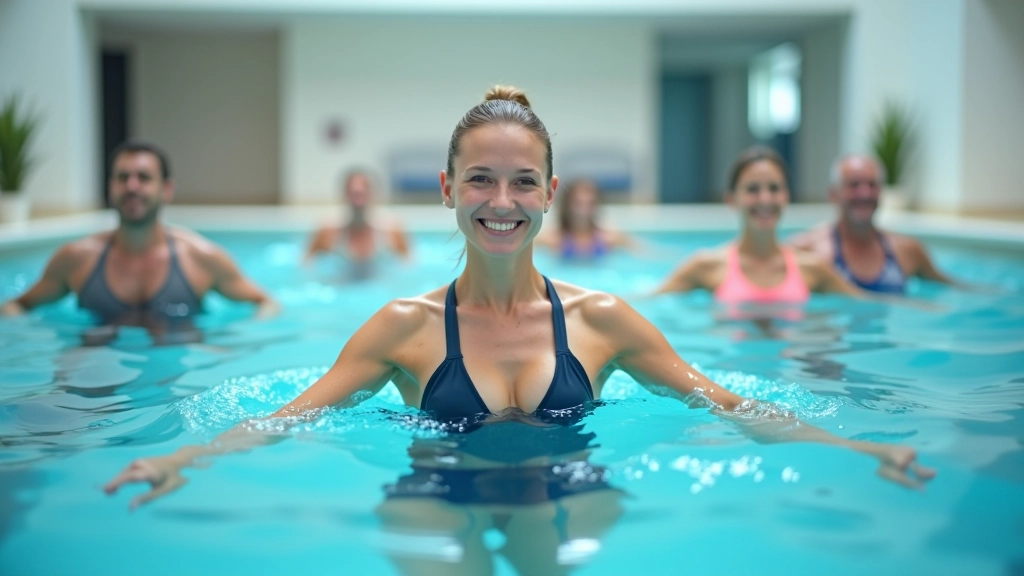
Walking into a pool therapy program feels different from regular swimming. Here's what actually happens.
Assessment & Discussion
A certified aquatic therapist will ask about your medical history, current pain, and mobility limitations. They're not just gathering information — they're designing your program on the spot. This takes about 15 minutes.
Water Entry & Acclimation
You'll enter the pool gradually — using stairs or a ramp depending on your mobility. The water is typically 86-90°F (warmer than lap pools). You'll spend a few minutes just moving around, getting comfortable.
Guided Movement & Exercises
The therapist demonstrates each exercise and you follow. You're not competing or pushing hard — you're moving with control. A typical 45-60 minute session includes 6-10 different movements targeting your specific needs.
Cool Down & Feedback
Sessions end with gentle movements and stretching. The therapist will ask how you felt and adjust next session's plan accordingly. You'll usually leave feeling looser and less painful than when you arrived.
"I couldn't walk without limping for months after my knee surgery. Three weeks of pool therapy and I was actually jogging again. The water made it possible to rebuild without re-injuring."
— James, 58
Finding Certified Pool Therapy Programs
Not all pools offer rehabilitation services. You want certified aquatic therapists — people who've trained specifically in therapeutic water movement, not just lifeguards or swim instructors.
Look for programs affiliated with hospitals, physical therapy clinics, or specialized aquatic therapy centers. Many insurance plans cover pool therapy when prescribed by a physician or physical therapist, though coverage varies.
Most programs offer 2-3 sessions per week, with each session lasting 45-60 minutes. You'll work with the same therapist when possible — they remember your progress and adjust difficulty accordingly.
Cost ranges from $40-100 per session depending on location and whether it's covered by insurance. Initial consultations often cost extra, but they're worth it to ensure the program matches your specific needs.
Getting Started: What You Actually Need
Medical Clearance
Talk to your doctor first. They can refer you to a specific program and sometimes write a prescription for insurance coverage.
Proper Swimwear
Anything you're comfortable moving in works. Athletic swimwear gives you full range of motion. Avoid baggy clothing that gets heavy when wet.
Towel & Shower Items
Bring a good towel and consider having shower items at the facility. You'll feel better changing into dry clothes right after your session.
Consistent Schedule
The most important thing you'll need is commitment. Results show up when you attend sessions regularly — 2-3 times per week works best for most people.
Your Next Step
If you're dealing with joint pain, recovering from injury, or managing arthritis, you've probably tried several approaches already. Pool-based rehabilitation isn't a magic fix, but it's surprisingly effective at rebuilding strength, reducing pain, and restoring confidence in your body.
The water works because it meets you where you are. You don't need to be fit to start. You don't need expensive equipment. You just need access to a warm pool and a trained therapist who understands your specific situation.
Start by asking your doctor for a referral. Check what's available in your area — most cities have at least one facility offering aquatic therapy. Call and ask about their certification, experience with your specific condition, and whether insurance might cover sessions.
The first session will tell you everything. You'll feel the difference immediately. From there, it's just showing up consistently and letting the water do what it does best.
Ready to Explore Pool Therapy?
Talk to your healthcare provider about getting a referral to a certified aquatic therapy program. Most can start you within 1-2 weeks.
Browse More ResourcesImportant Information
This article provides informational content about pool-based rehabilitation for educational purposes. It is not medical advice. Always consult with a healthcare provider before starting any new rehabilitation or exercise program. Pool therapy should only be undertaken under the guidance of certified aquatic therapists or licensed physical therapists. Individual results vary based on condition, consistency, and overall health. If you have specific medical concerns, injuries, or chronic conditions, seek professional medical evaluation before beginning therapy.
Related Articles