Finding Lap Swimming Schedules & Facilities
Your complete guide to locating dedicated lap swimming times at public pools and facilities near you. Learn how to read pool schedules, understand lane designations, and find programs suited to your pace and experience level.
Understanding Pool Schedules
Finding dedicated lap time isn't as hard as you'd think. Most public pools operate with specific lanes designated for lap swimmers during set hours. It's about knowing where to look and what those schedule boards actually mean.
Whether you're getting back into swimming after years away or you've been swimming regularly since college, you'll need to understand how pools organize their time. Some facilities run lap-only sessions. Others mix lap swimmers with open swim. The key difference? Dedicated lap time means you've got your own lane—no floaties, no recreational swimmers, just focused swimming.
We've trained hundreds of adults aged 40-60 who came to us completely lost about where to swim. Within a few weeks, they'd found their rhythm at local pools. This guide walks you through exactly what we show them.
Types of Lap Swimming Facilities
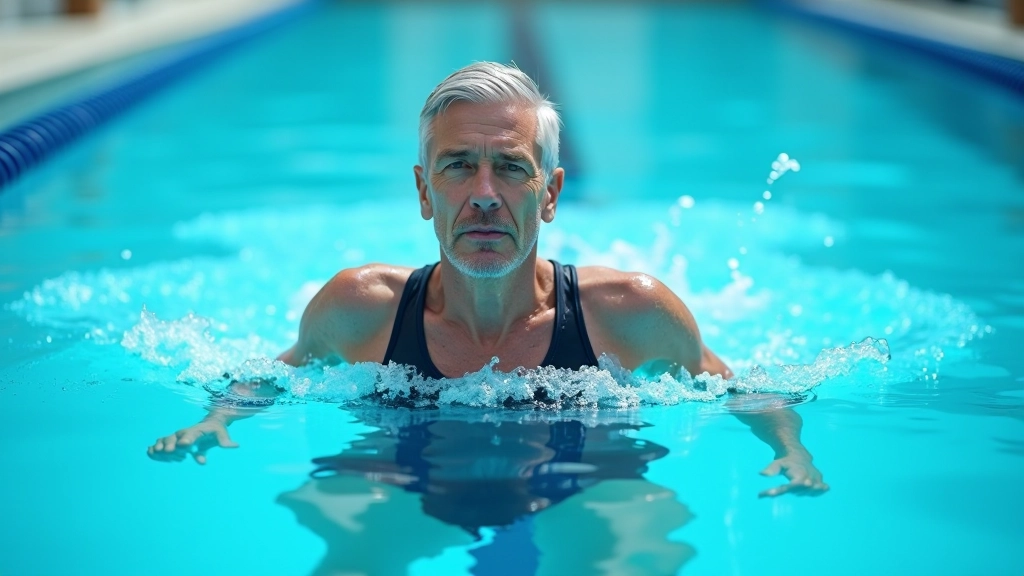
Not all pools are created equal. Where you swim affects your experience more than you'd expect.
Public Recreation Centers
These are your most common option. Nearly every city has at least one public pool run by the Parks & Recreation Department. They're affordable—usually $5-10 per visit—and almost always have dedicated lap hours, often early morning (6-8 AM) or evening (5-7 PM). The downside? They're busy during peak times, so you might share lanes with other swimmers. Most public pools are 25 yards, which means you'll swim 16 lengths for a half-mile.
Pro tip: Call ahead before your first visit. Staff can tell you exactly which lanes are reserved for lap swimmers and whether you need to pay at the desk or online.
YMCA & Private Fitness Centers
These facilities typically offer more flexibility. You'll pay membership fees (usually $40-80 monthly), but you get unlimited access to lap time plus other amenities. Many YMCAs have Olympic-sized pools (50 meters), which changes your workout. That's 32 lengths for a half-mile instead of 16. Private gyms often have smaller pools but excellent water temperature control and quieter lap times.
The real advantage? Consistency. You can plan your week knowing exactly when lap time happens. Staff remembers you. You'll see the same swimmers regularly, which builds community.
University & College Pools
Many universities open their pools to community members during specific hours, usually for a small fee or through membership. These pools are well-maintained and rarely crowded during off-peak hours. The catch? Schedule around academic calendars. You might lose access during summer break or exam weeks. Call the athletics department directly—they'll tell you public access hours.
How to Read Pool Schedules
Pool schedules look confusing at first. You're scanning times, looking for abbreviations, wondering what "Masters" means and whether "Open Swim" is right for you. Don't worry—once you understand the key terms, it all makes sense.
Key Schedule Terms
- Lap Swim or Lap Only: Dedicated lanes for swimmers doing lengths. This is what you want for serious training.
- Open Swim: Family-style swimming. Lots of people, various activities. Skip this if you're training.
- Masters Swimming: Structured classes for adults. Usually coached with specific sets and paces. Often $10-15 per session.
- Adult Swim: 18+ only, no children. Could be lap-focused or general recreation—check the facility's definition.
- Shallow Water Aerobics: Group fitness in the shallow end. Great for joints but not lap training.
- Lane Rental: You pay to reserve a specific lane for a set time. Common at busy facilities.
Most schedules also show lane availability. You might see "6 lap lanes available" or "share lanes"—that tells you whether you'll get your own space or swim with others. Shared lanes mean circle swimming (two people, one lane, you take opposite ends and pass each other). It works fine once you get used to it.
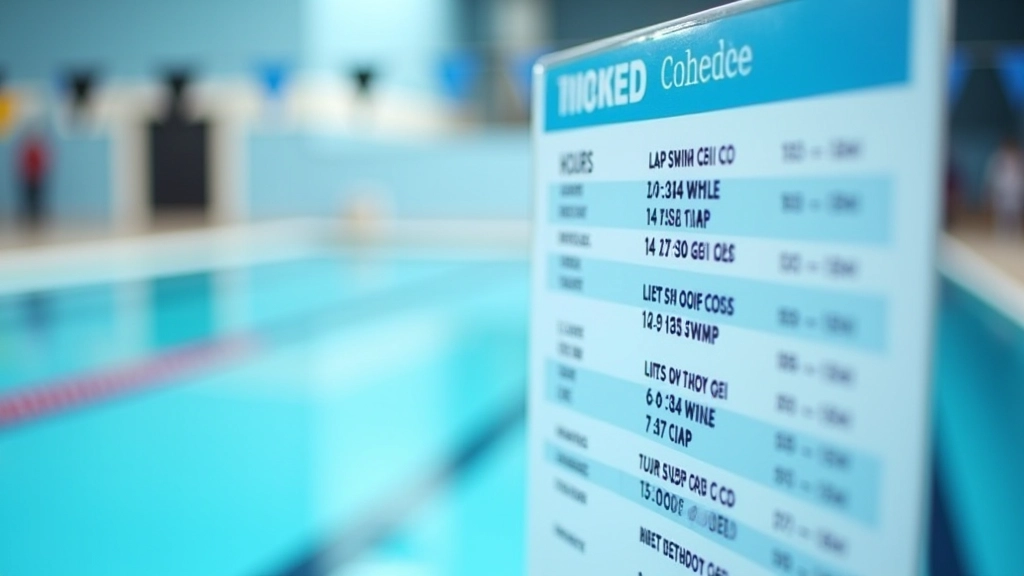
"I spent three weeks checking different pools before I understood what the schedules meant. Once I realized that 'Masters' meant structured workouts and 'Lap Swim' was just me doing my own thing, I had five options within 15 minutes of my house."
— David, 52
Finding Pools Near You

Your search starts online, but you'll want to make phone calls too. Here's what works:
Online Resources
Search "[Your City] Parks & Recreation pools" to find public facilities. Most cities list schedules, fees, and lap hours right on their websites. YMCA has a location finder at ymca.org. For college pools, search "[University Name] athletics community access." USA Swimming (usaswimming.org) maintains a directory of Masters programs if you want structured coaching.
What to Ask When You Call
Don't just check the website. Call and ask: How many lap lanes are available during peak hours? Can you share lanes? What's the pool temperature? Do you need to book in advance? Some facilities limit lap swimmers to 30 per session, so you might need to reserve your spot. Others first-come, first-served. This matters for your planning.
Ask about the water temperature too. Most lap pools run 78-80°F. If it's cooler, you'll burn more energy staying warm. If it's warmer, you'll fatigue faster. Knowing this helps you adjust your workout.
Your First Visit: What to Expect
You've found a pool. You've checked the schedule. Now comes the part that makes people nervous—actually showing up.
Here's what happens: You'll arrive 10 minutes early. Check in at the desk. They'll point you toward the pool. You'll see other swimmers already in the water, doing their thing. Find an empty lane or ask staff if you should share. Most lap swimmers nod at each other but mind their own business. It's peaceful that way.
Start with whatever pace feels right. You don't need to be fast. You don't need to impress anyone. Swim your distance. Take breaks when you need them. The person in the next lane might be training for a triathlon. The person next to them might be doing recovery after surgery. Everyone's there for themselves.
What to Bring
- Swimsuit (obviously)
- Goggles (essential—chlorine stings without them)
- Swim cap (optional but keeps hair cleaner)
- Towel and shower items
- ID and payment method
- Water bottle (most pools have fountains, but bring your own)
Don't overthink it. The first visit feels bigger in your head than it actually is. Within three sessions, you'll know where everything is and you'll feel like a regular.
Start Your Lap Swimming Journey
Finding a place to swim consistently is one of the best decisions you can make for your fitness. You've got options in your area—you just need to know where to look and what questions to ask.
Start this week. Pick a facility. Call them. Ask those questions. Show up for one session. You'll be amazed how quickly lap swimming becomes part of your routine. Within a month, you'll have a favorite lane, a favorite time, and you'll actually look forward to it.
Ready to explore more about aquatic fitness?
Discover water aerobics classes, open water training, and pool-based recovery programs designed for active adults.
Explore Aquatic Fitness ResourcesInformation Disclaimer
This guide provides general information about finding and accessing lap swimming facilities. Pool schedules, fees, and availability vary by location and change frequently. Always contact your local facility directly to confirm current hours, lane assignments, and any requirements before visiting. This information is educational and not a substitute for professional fitness or medical guidance. Consult with your healthcare provider before beginning any new swimming program, especially if you have existing health conditions.
Related Articles