Open Water Swimming: Training & Safety Tips
Master the transition from pool to open water with proven training progressions, essential safety protocols, and strategies that work for swimmers 40+.
Why Open Water Feels Different
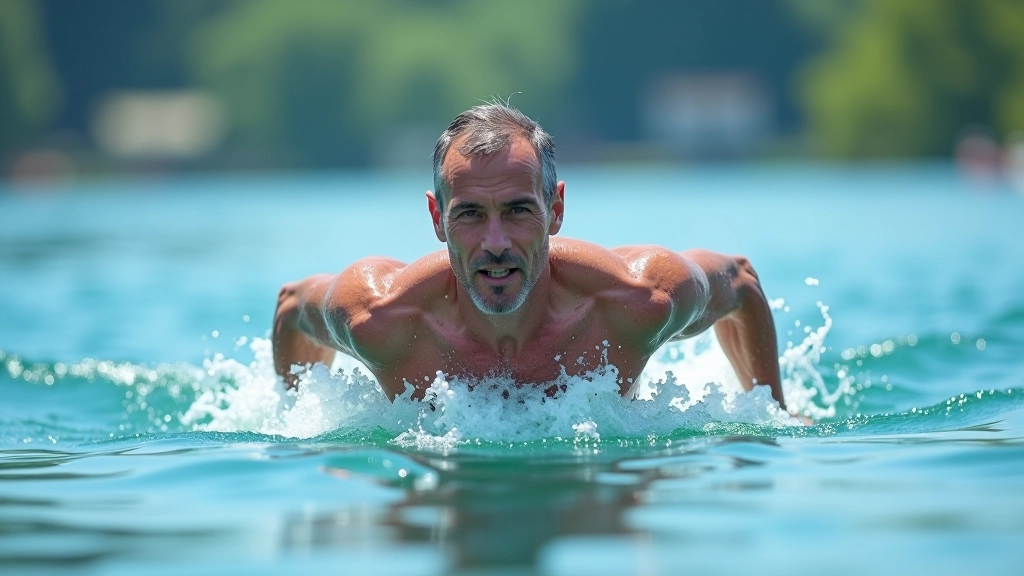
You've logged hundreds of pool laps. You know your pace, your breathing rhythm, your flip turn technique. Then you step into a lake or ocean for the first time and suddenly nothing feels familiar. No walls to push off from. No lane markers. No lifeguard watching. The water temperature varies. Waves happen. It's unsettling — but it's also incredibly rewarding.
The transition from pool to open water isn't about building new fitness — you've already got that. It's about building confidence in a completely different environment. We're talking about sighting techniques, understanding currents, managing your breathing when water splashes your face, and knowing exactly what safety precautions actually matter versus which ones are overkill. Most swimmers find the shift happens faster than they expect. Usually within 4-6 weeks of consistent open water practice, the panic subsides and the enjoyment takes over.
Progressive Training Plan
A structured approach that builds comfort and skill week by week
Weeks 1-2: Shallow Water Orientation
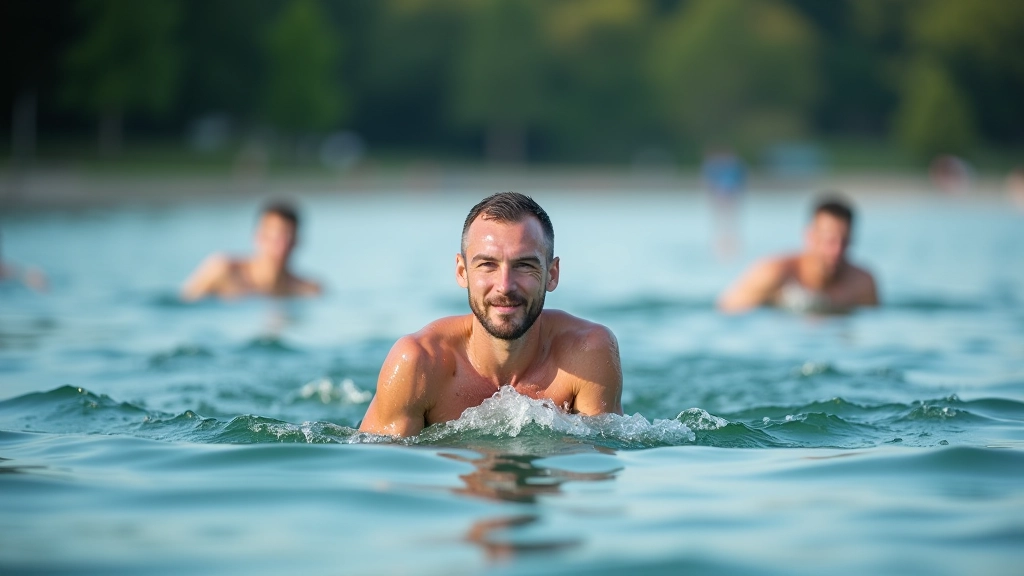
Start in shallow water (3-5 feet) where you can touch bottom. Focus on getting comfortable with water movement against your face, practicing sighting every 5-8 strokes, and breathing technique in moving water. Do 15-20 minute sessions, staying close to shore.
Weeks 3-4: Extended Distance Building
Move to slightly deeper water and swim longer distances — aim for 25-35 minutes. Work on straight-line swimming by sighting every 6 strokes. Practice your breathing rhythm and learn to relax in conditions that feel unfamiliar. Most swimmers notice their comfort increasing noticeably during this phase.
Weeks 5-6: Distance & Navigation
Extend sessions to 40-50 minutes. Add navigation challenges — swim to specific landmarks, practice sighting landmarks on both sides, learn to compensate for current drift. By week 6, most swimmers are ready for a milestone open water event or longer recreational swim.
Ongoing: Maintenance & Challenges
Once comfortable, keep swimming open water 1-2 times per week to maintain skill and confidence. Join group swims, try different locations, participate in organized events. The variety keeps it engaging and builds deeper competence across different conditions.
Essential Techniques That Make the Difference
Sighting
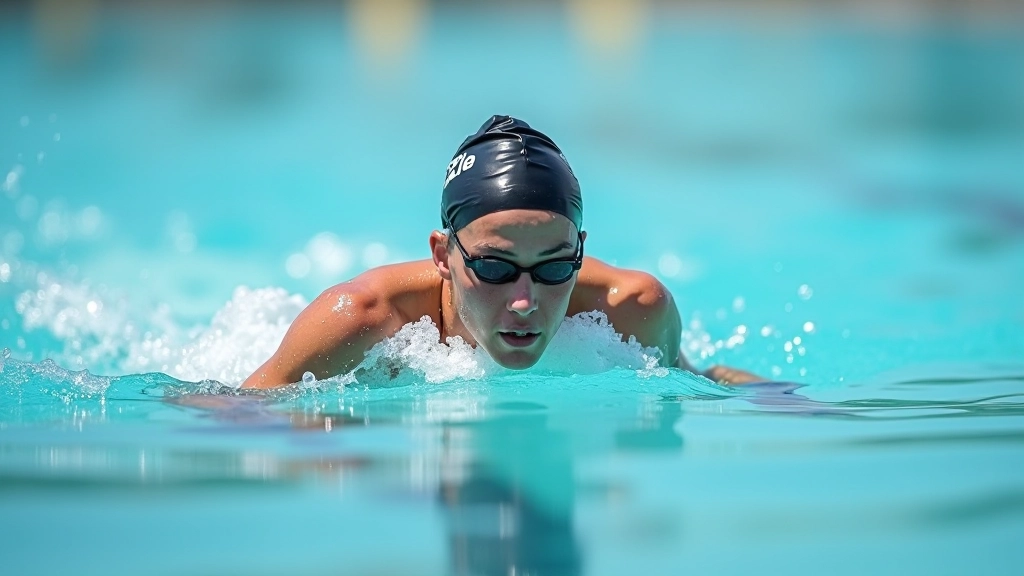
This is the single most important skill. In a pool, the lane line keeps you straight. In open water, you navigate yourself. Lift your eyes just above water level every 6-8 strokes — look at your target landmark, then get back to normal swimming. Don't look up like you're doing a vertical jump. That kills your momentum and throws off your balance.
Body Position & Buoyancy
Open water requires slightly more buoyancy awareness. Your body position should be nearly horizontal. If you're sinking, you'll tire faster and lose confidence. A simple test: float in your swimming position — you should float with water at eye level, not up to your forehead.
Bilateral Breathing
Breathe on both sides — it's genuinely helpful. Waves might come from different directions. Wind might push water toward your usual breathing side. Being able to switch without panicking gives you serious confidence. Practice this in the pool first.
Safety Protocols That Actually Matter
Not everything you hear is necessary — here's what genuinely protects you
Never Swim Alone
This isn't optional. Swim with a buddy, join a group, or hire a coach. Someone needs to know where you are and notice if something goes wrong. Most open water communities are friendly — finding a swimming partner isn't difficult.
Wear Bright Colors
A bright swim cap or bright buoy makes you visible to boats. Darker water makes swimmers hard to spot. The cap is specifically for visibility, not warmth — get a neon yellow or orange one and you'll see the difference instantly.
Know Water Temperature
Cold water (below 60°F) causes involuntary gasping. You'll literally gasp when you enter, which can be shocking if you're unprepared. Below 50°F, you might want a wetsuit. Check temperature before every swim — it changes seasonally and even week to week.
Understand Current & Conditions
Talk to locals. Ask about current direction, rip currents (if ocean), wind patterns, and boat traffic. A 5-minute conversation with someone who swims that location regularly teaches you more than reading about it online.
Exit Strategy
Know exactly how and where you'll get out before you enter. Don't rely on random spots. Scout your exit in advance. Have a backup exit location in mind. This prevents panic if your planned exit becomes difficult.
Know Your Limits
Don't swim distances you haven't trained for. Don't try new locations when you're tired. Don't ignore warning signs — fatigue, cramping, or feeling off means exit the water. Trust your gut. There's no prize for pushing past your limits.
Finding Open Water Events in Your Region
Once you've built confidence through training, participating in organized events is the natural next step. You'll swim with hundreds of other people, there's safety support, and you get the incredible experience of open water swimming as a community. Here's where to look:
National Event Calendars
USMS (United States Masters Swimming) hosts sanctioned open water events throughout the country. Their website lists everything from 1-mile distance events to multi-mile challenges. Most events have age-group categories, so you're competing with people at your level.
Local Swimming Clubs & Groups
Nearly every region has swimming clubs that organize regular open water sessions. These are informal, social, and perfect for building experience. You'll meet other swimmers, learn local knowledge, and build genuine friendships. Search "open water swimming groups near me" or check with your local YMCA or community pool — they usually know where the active groups meet.
Triathlon Events
If you're interested in the swim portion without doing the full triathlon, many local triathlons allow swimmers to enter just the swim leg. It's a lower-pressure way to experience organized open water racing.
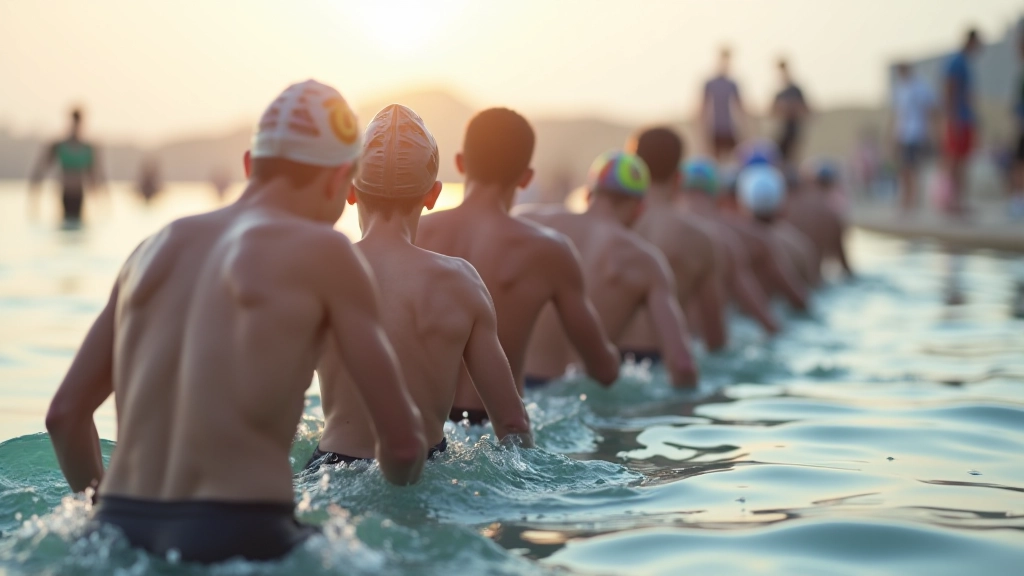
"I swam in pools for 20 years and thought I'd be ready for open water immediately. I wasn't. Those first few weeks were humbling — I couldn't figure out where I was going, my breathing got panicky with waves. But once it clicked, it completely changed how I think about swimming. Now I wouldn't go back to just pools."— Marcus, age 58
Getting Started This Season
Your first step isn't jumping into open water solo. It's finding a group or buddy. Contact your local USMS chapter, ask at your pool if anyone does open water swimming, or search for swimming clubs in your area. Most groups have experienced swimmers willing to mentor newcomers — they remember being nervous too.
Get a basic swim cap (bright color preferred) and try it. You don't need a wetsuit unless water temperature is below 65°F. Start in shallow, protected water. Do 15-20 minute sessions focused on comfort rather than speed. Let yourself adapt. Within 4-6 weeks, you'll genuinely enjoy it. Most swimmers find that open water swimming adds a completely different dimension to their fitness routine — and honestly, it's just more fun than staring at a black line for 45 minutes.
Back to Aquatic FitnessInformational Disclaimer
This article is educational and informational in nature. It's not a substitute for professional instruction, coaching, or medical advice. Before beginning any new swimming training program, especially open water swimming, consult with a qualified swimming coach or healthcare provider to ensure the activities are appropriate for your individual fitness level and health status. Open water swimming carries inherent risks. Always follow local safety regulations, swim with supervision, and make decisions based on current water conditions, weather, and your personal comfort level. Individual experiences vary based on fitness, experience, and environmental factors.
Related Resources